The Pulse of Performance: How can your organization best support people’s well-being?
Spotlighting the most common health promoting focus areas for leading global organizations, based on 2025 data from IWBI’s WELL Leaderboard.

This article is part of a series exploring data-driven trends from the 2025 WELL Leaderboard, highlighting organizations that create places where people thrive. Through sector deep dives, regional analysis and interviews with award-winning practitioners, this series showcases how leading organizations use WELL to drive measurable impacts on human health, productivity and resilience. The 2025 WELL at scale leaderboard and awards are based on data from the last completed review cycle of more than 100 WELL at scale participants through 2025. Visit the WELL Leaderboard for more information.
Based on average WELL concept scores, the top three well-being areas where organizations are making the most impact include:

- Community support strategies: Supporting people through access to essential healthcare, building a culture of health meeting diverse population needs and establishing an engaged community.
- Mental support strategies: Fostering people’s mental and emotional health and well-being by creating spaces that promote restoration, as well as implementing programs that help people to manage stress and thrive.
- Movement encouraging strategies: Promoting movement throughout the day by implementing active design strategies and supporting physical activity through robust policies and programs.
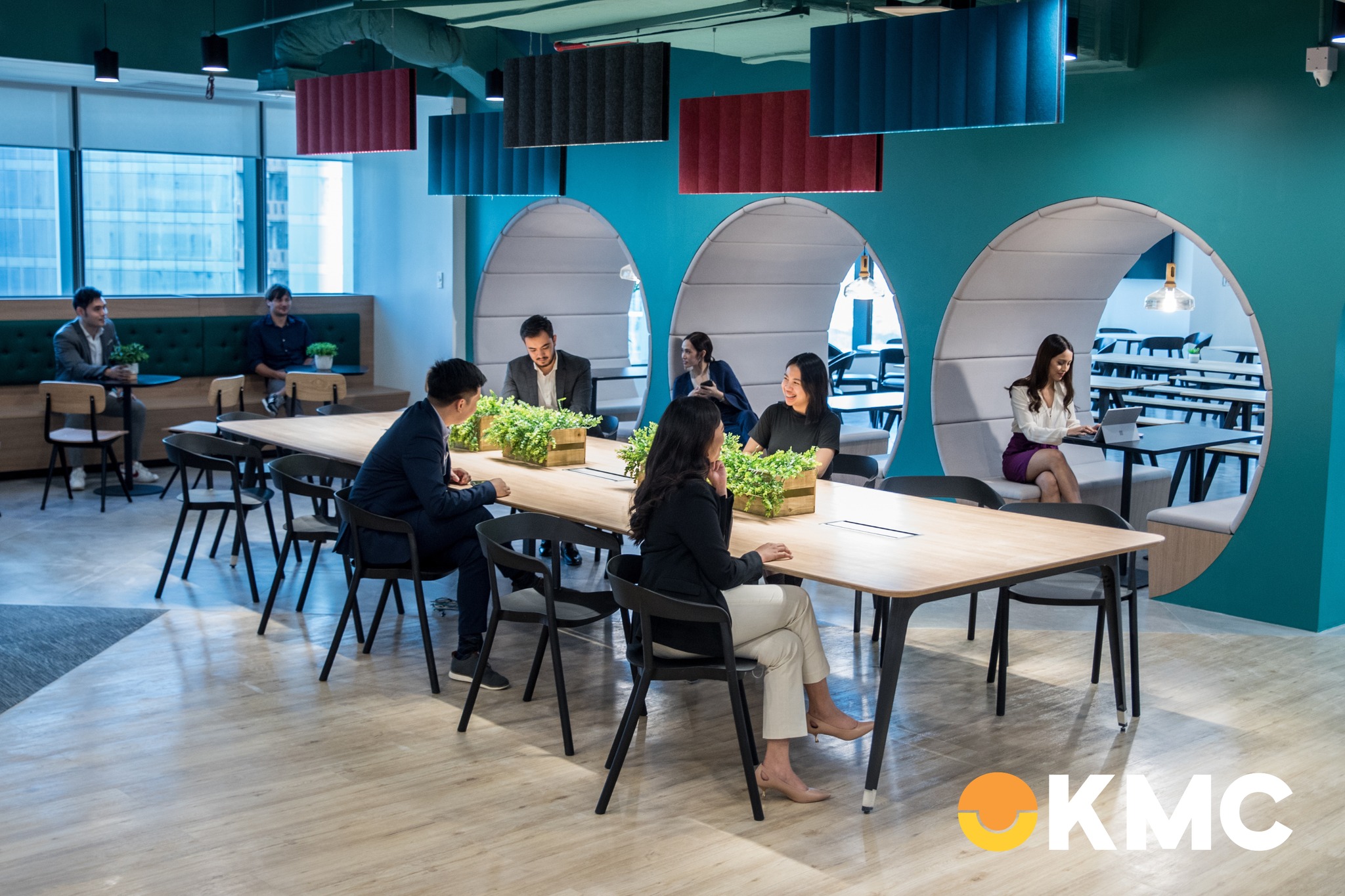
KMC Community, Inc, which provides support to offshore global teams and flexible workspace solutions in the Philippines, reported that the feedback from their employees, clients and stakeholders on the company’s health focus has been very positive. KMC achieved three WELL Ratings across its portfolio: the WELL Health-Safety Rating, the WELL Equity Rating and the WELL Coworking Rating.
“At KMC Solutions, we integrate WELL strategies into our operational framework rather than treating them as standalone initiatives. We also rely heavily on data-driven decision making, using monitoring tools, regular audits, and performance tracking to ensure that strategies are implemented consistently across our portfolio,” shared Kathlyn Sta Ana, RN, OSHP, KMC’s Occupational Safety and Health Officer.
Community support strategies
Most commonly achieved strategies from the WELL Standard in the Community concept include: developing an emergency preparedness plan, creating a post-emergency re-entry plan, promoting health benefits, supporting immunization programs, providing short-term and long-term sick leave, and implementing a business continuity planto manage the organization’s critical functions, business impacts, roles and responsibilities in case of an emergency. Emergency preparedness and resilience plans are critical to ensuring that organizations are equipped to immediately confront a crisis, as well as to recover successfully
Several WELL at scale organizations achieved the maximum of 12 points in the Community concept, and received a WELL Concept Award for their progress, including: Bagmane Group, Brookprop Management Services Pvt. Ltd, Genentech, KMC Community, Inc, Lendlease - APPF, Lendlease - LITS and LOITS, NEO, and Sunrise Senior Living.
KMC’s Occupational Safety and Health Officer, Kathlyn Sta Ana shared that “Many clients have expressed appreciation for the improvements made to support comfort, health and overall well-being. We have observed increased awareness of wellness-related practices, as well as stronger engagement in programs that promote healthy behaviors. Stakeholders have also recognized the value of these strategies in enhancing workplace satisfaction, productivity, and overall client experience. Overall, the feedback has reinforced the importance of maintaining these initiatives and continuing to invest in wellness-focused improvements.”
Mental support strategies
Most commonly achieved WELL strategies in the Mind concept across all locations include: supporting mental health recovery, offering mental health education, promoting mental health and well-being and offering mental health screening. Given the high prevalence of mental health conditions among the working population, the workplace is an important target for mental health promotion, prevention and interventions.
WELL participant Deloitte U.S. achieved the maximum of 12 points in the Mind concept, and received a WELL Concept Award for their progress. Deloitte is focused on building a culture of well-being, fostering a human-centered workplace.
The company’s robust workplace well-being program includes a wide set of strategies to support their employees’ psychological health and to help them thrive mentally, including: integrated mental health services that offer eligible professionals clinical and performance psychology solution; paid caregiver leave and backup care for dependents; access to specialists, educational opportunities, and technologies that help integrate well-being into the flow of your day; and annual subsidy for well-being needs, including gym/club memberships, recreational classes, or sports equipment/fees. Learn more here.
Movement encouraging strategies
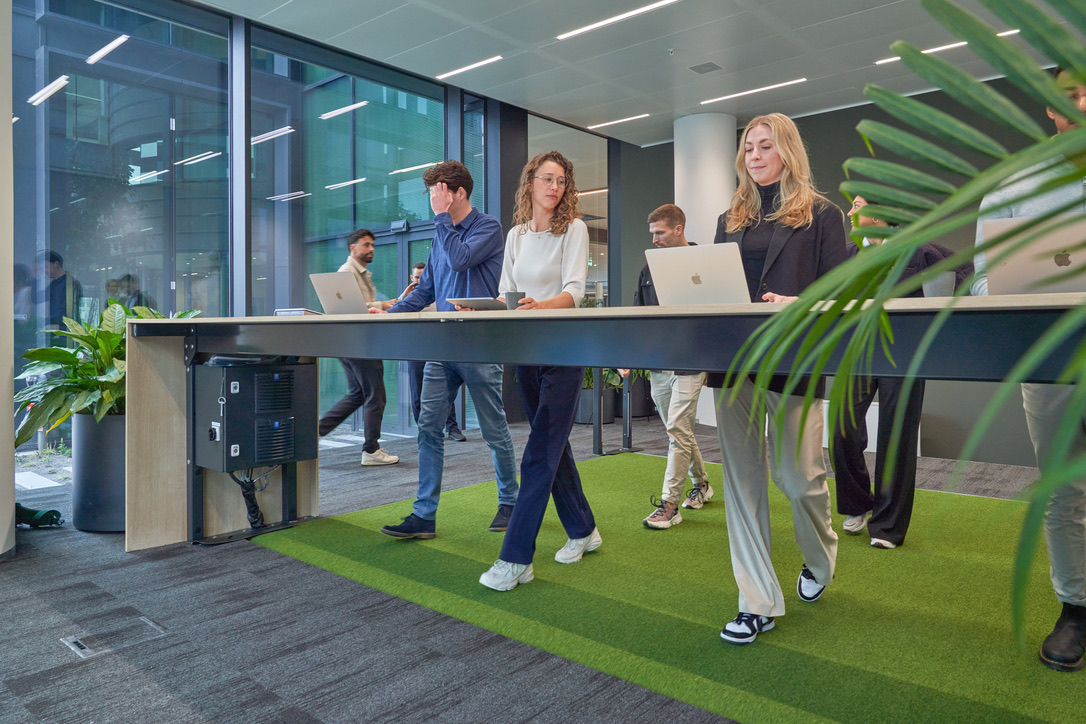
Most commonly achieved strategies in the Movement concept across all locations include: implementing an ergonomics program, offering opportunities for physical activity like free exercise classes, and providing workstation orientations. Physical activity and combating sedentary behavior is critical to avoiding poor health outcomes such as obesity, type II diabetes, cardiovascular risks and premature death.
Several WELL participants achieved the maximum of 12 points in the Movement concept, and received a WELL Concept Award for their progress, including: Bagmane Group, EDGE Technologies - Edge Developments Europe, Embassy REIT, Hongkong Land - Central Portfolio, Swire Properties - Pacific Place Portfolio, Swire Properties -Taikoo Place Portfolio.
Anja Kohler, Head of Sustainability at Edge, a European real estate company, shared that: “Our success in the WELL Movement concept lies in enabling everyday movement throughout the user journey in our buildings. Rather than relying on individual behaviour change, we design buildings that naturally encourage activity, for example through prominent staircases in atria or walking routes integrated into rooftop designs. By embedding these strategies early in the design phase and applying them consistently across our portfolio, movement becomes an intuitive choice for our building users.”
Edge has four WELL Certified buildings in its portfolio. Anja went on to say that their tenants see the value of this: “Tenants clearly recognise the link between movement, health, and employee performance. They value that our buildings support healthier daily routines without feeling prescriptive.”
Another WELL Movement Concept award winner, Embassy REIT, is India’s first publicly listed Real Estate Investment Trust, which has pursued WELL across its entire portfolio, with 51 WELL-certified buildings, 40 WELL Precertified buildings, and 88 WELL Health-Safety Rated buildings. Ray Vargis Kallimel, Head of Asset Management, shared: “At Embassy REIT, our success in this WELL concept has been driven by a clear leadership conviction that health, safety and wellbeing are not peripheral initiatives, but fundamental to how we design, operate, and continuously enhance our workplaces… By embedding WELL principles into our operational standards, occupier engagement frameworks and performance review mechanisms, we have been able to move beyond intent to measurable impact.”
Kallimel went on to say that “What we are most proud of is our ability to institutionalize wellbeing at scale and make it a visible, lived experience across the Embassy REIT portfolio… This has enabled us to create consistency across assets while also ensuring that each initiative delivers meaningful value to our tenants and stakeholders. For us, the achievement is not only in implementing WELL strategies, but in shaping workplaces that reflect global standards, strengthen occupier confidence, and reinforce Embassy REIT’s position as a long-term leader in creating healthier, safer and more future-ready office environments.”